Tag: philosophie

  • Notes #5

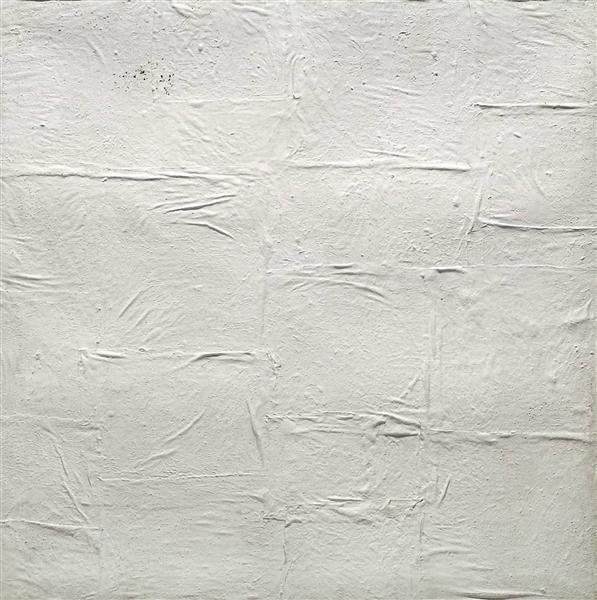
    The intentional creation of meaning as a meaningful social practice: There are objects that primarily refer to themselves before speaking of more. I.e. they reflect the act of their creation, the means and materials of creation, the intention of creation or their contents. Examples might be Malewitsch’s Black Square, non figurative Action Painting or Minimal Art/ Arte Povera.
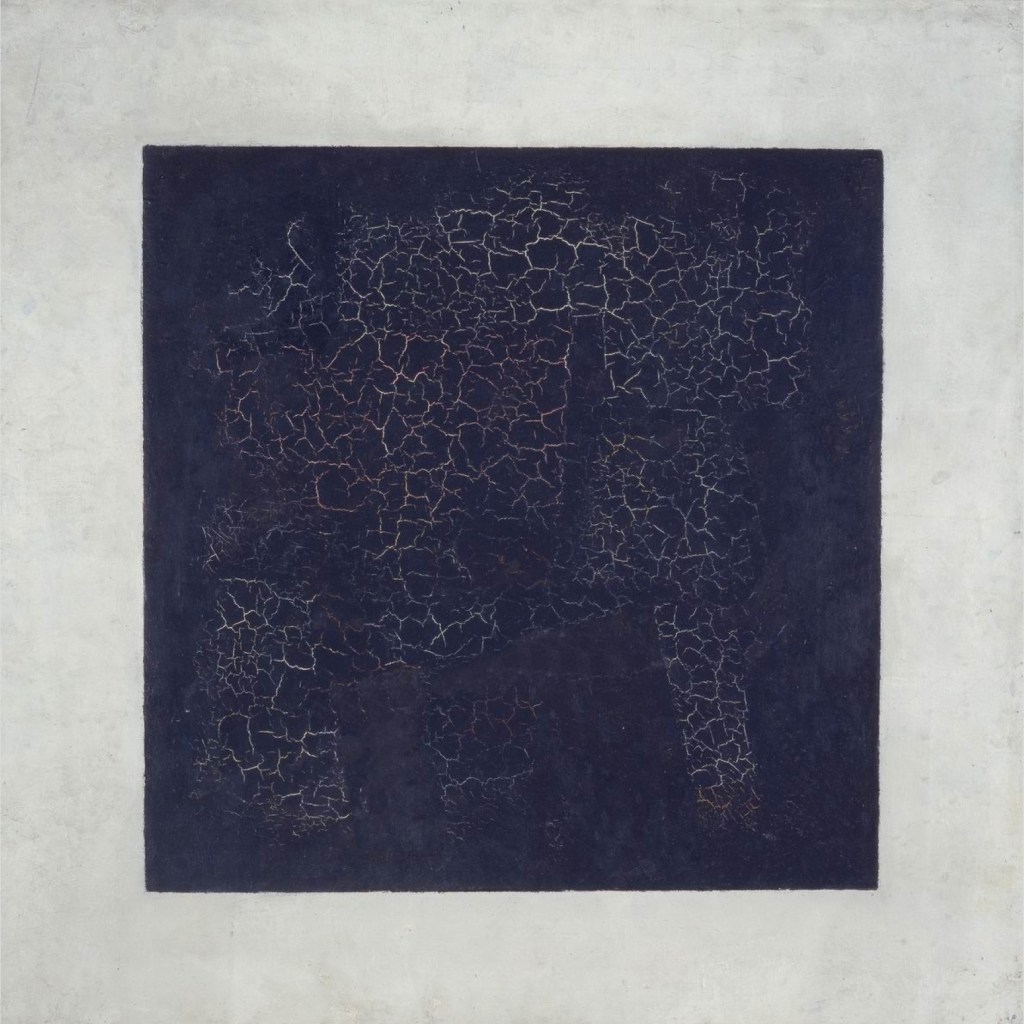
    Kasimir Malewitsch – Black Square (1915)
    Piero Manzoni – Achrome (1958)


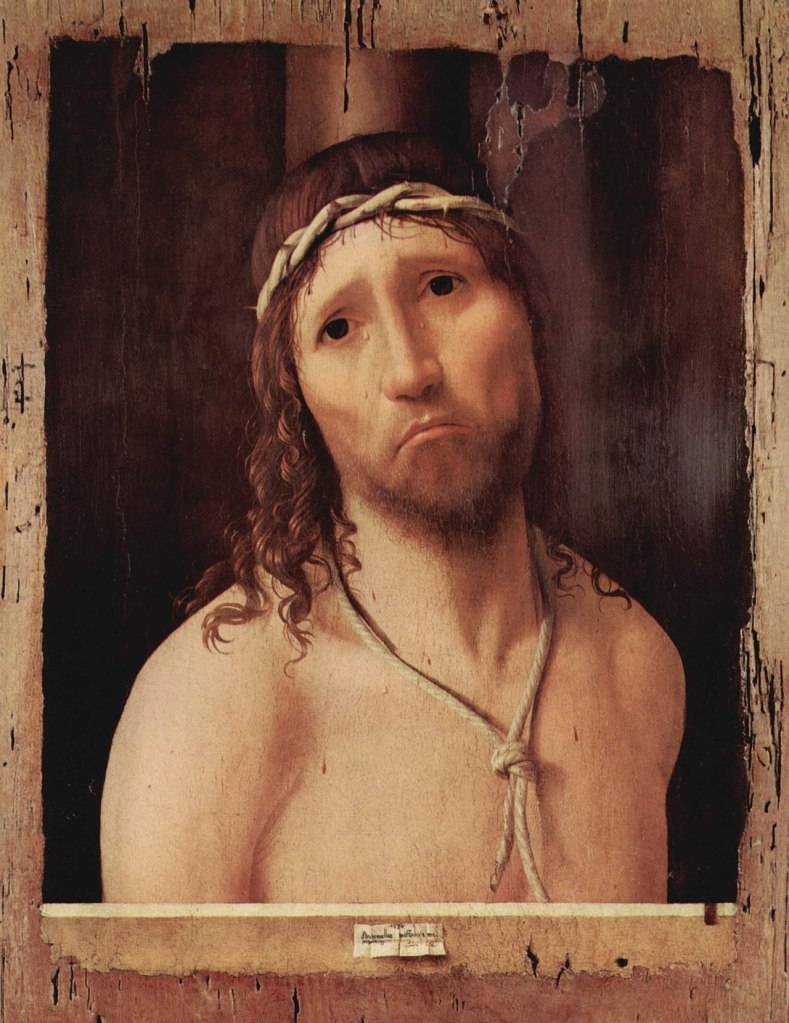
    In contemporary museums, galleries or art school exhibitions there can also be made the discovery of objects “refering” to something that lays beyond them. They work as an index and are characterised by the external attribution of meaning to themselves: they require a subtext to become “meaningful”. Also they attribute meaning to something else: because they exist, they declare something else as “meaningful”. Thus they are characterised by the missing nexus between inner form and meaning. Whilst oberserving them it remains unclear how form and meaning interact and a different meaning could always be attributed to the material without raising any suspicion. For example the Fountain by Duchamp refers to the arbitrariness of meaning in art, or to gender issues by displaying a closet that cannot be used by females, or to the domination of modern life by industrially shaped objects or to the arbitrariness of the author by being signed with R. Mutt. There are less radical examples to this, such as most of religious art that is refering to a web of stories beond the material representation.
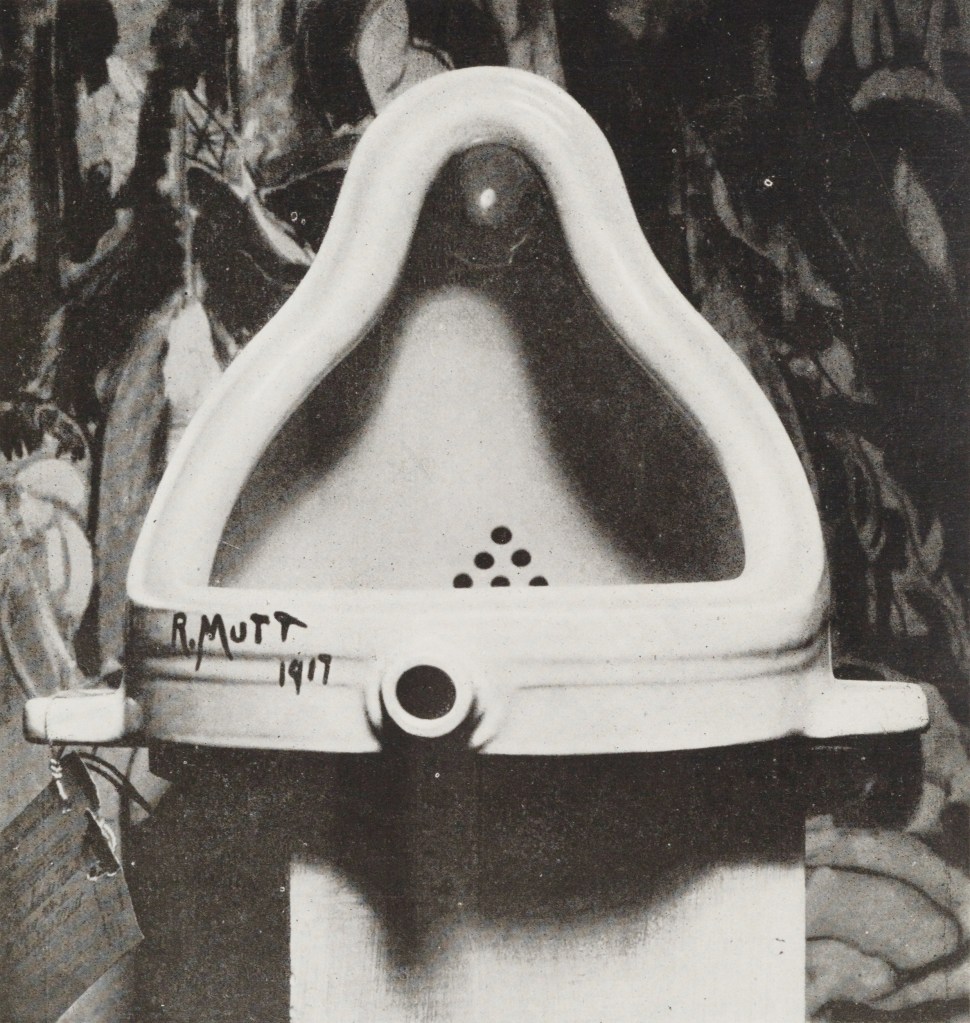
    Marcel Duchamp – Fountain (1917)
    Antonello da Messina – Ecce Homo (1473)
    … not just a sad man …

  • Notes #4

    Paul Feyerabend wrote: “Anything goes”. Thereby, he was referring to the fact that the axioms of science have always been changing and that the history of science is the demonstration of how science itself is socially moderated. There are no ultimate axioms and science is always contemporary. The same applies to art. There are no criteria for the successful creation of art or its final definition.
    But living today, thus being contemporary, creates the obligation of adressing contemporary issues. The meaning of art could be described as the sum of the issue’s relevance and the depth of its development. But it should rather be described as the way the meaning has been described – until today. Because there is no security that it will be described like this in the future. Therefore it will never be possible to calculate artistic relevance and meaning. The bare attempt makes the result turn into a cheap copies. In accordance to “anything goes” the axiom’s future is uncertain. Looking for them may for certain moments even become the only issue of art. What may seem troubling at first is also the basis of freedom. There is no art per definitionem, neither is there an artist’s biography per definitionem. Everything is open all the time and undecided – in both ways.

  • Notes #3

    The hand is considered to be the ultimate tool, because of its ablility to use all the other ones. Since humanity is really committed to make the body as well as the mind obsolete in everyday life the question of which tools we use becomes more and more relevant. Artistic practice itself is always confronted with this problem even though it is seldomly made explicit. Far too often artists ignore the technical side of their activity, thus unproportionally emphasising the expressive function of art. But the manner how something is said is as important and as political as what is actually said.
    At the same time there is no clear answer, no right way of speaking. It is as valid to use antique methods and to perform a painting with bare hands on a wall as to make 3D prints out of AI generated data. The work can be considered successful as long as the tools used are reflected within the process and its result. Methodology can relate to the reported content.


    Art and beauty are arbitrary. this cannot be ignored by artists for which reason they have to take a stance towards their arbitrariness and the arbitrariness of our relationship towards the world. In taking a stance they have to be clear and consequent – neither logical, nor conform.

  • Notes #2

    A phenomenological analysis of Europe – understood as a political idea – what would it consist of?

    In spring, I have been taking photos on the German – French border next to Saarbrücken (Bliesbrück and Goldene Bremm to be precise). I walked around in the empty space between the two states, observing and recording. The border is invisible but it surely exists. It creates a unique type of space that is different from the two entities who are separated by the border itself. That means consequently that France and Germany aren’t touching each other but are rather separated by a broader border region. In this region, characteristics of the two states are distorted and mixed together in an unknown and unregulated manner. The region is an intermediary third that can be accessed from both sides as a subject of cognition. Speaking of borders therefore means speaking of a shared space and uncovering, within and through the own discurse, the individual perspective on that space.